Rated 4.8 on Trustpilot
Read Reviews

·
Battery Storage
FoxESS EP6, EP12 or CQ7: Which Battery?
An installer's guide to three FoxESS batteries: what the EP6, EP12 and CQ7 actually are, how they differ, and which kind of home each one suits.
By
Solar Panels London
·
Last reviewed
FoxESS is one of the battery brands we install. Its EP6, EP12 and CQ7 are all lithium iron phosphate (LFP) batteries, all rated for indoor or outdoor installation, but they are designed for different jobs.
The simplest way to think about it: the EP6 and EP12 are single boxes in two sizes. The CQ7 is a stack of modules for homes that want more capacity.
Key points
EP6: a single unit of 5.76 kWh. Up to four can be combined.
EP12: a single unit of 11.52 kWh. Up to four can be combined.
CQ7: 7.02 kWh modules stacked in a tower, from two modules upwards. How many depends on the inverter.
All three are LFP, weather-rated to IP65, and have an optional heating function for cold locations.
The inverter's charging power often matters more than the battery's own limit.
The three at a glance
EP6: single unit, 5.76 kWh nominal, 90% usable, up to 4 units, floor or wall mounting, IP65, 51 kg.
EP12: single unit, 11.52 kWh nominal, 90% usable, up to 4 units, floor or wall mounting, IP65, 98 kg.
CQ7: stacked modules, 7.02 kWh nominal per module, 90% usable, 2 to 14 modules depending on the inverter, floor-standing stack, IP65, weight per the datasheet.
Figures from FoxESS datasheets current in September 2026. Specifications change; your quote will list the exact model and figures.
EP6: the compact option
The EP6 holds 5.76 kWh in a single unit that can go on the floor or on a wall. More units can usually be added later, up to four in total, subject to FoxESS's compatibility rules for the units you already have.
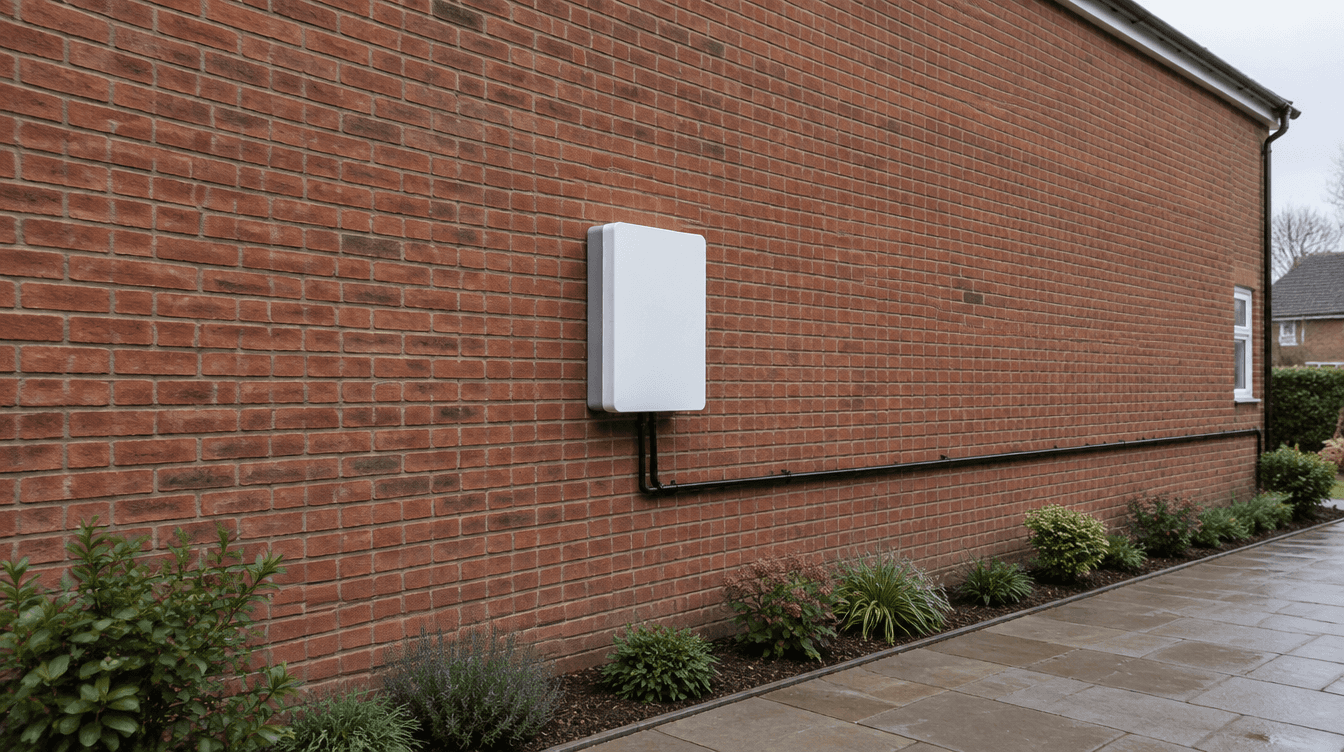
At 51 kg it is also the most practical to site. On a London terrace, where the battery might go on an external wall in a side return or in a small utility space, a smaller unit can be the difference between fitting a battery and not.
Suits: smaller homes, modest evening use, tight spaces, or starting with one unit and adding more later.
EP12: the same idea, twice the capacity
The EP12 is the larger single unit, at 11.52 kWh. Up to four can be combined for homes that need much more.
The trade-off is size and weight. At 98 kg it needs a suitable floor or a wall that can take the load, and more space around it.
Suits: typical family homes with solid evening demand, and households shifting use onto a cheap overnight tariff.
CQ7: the stackable tower
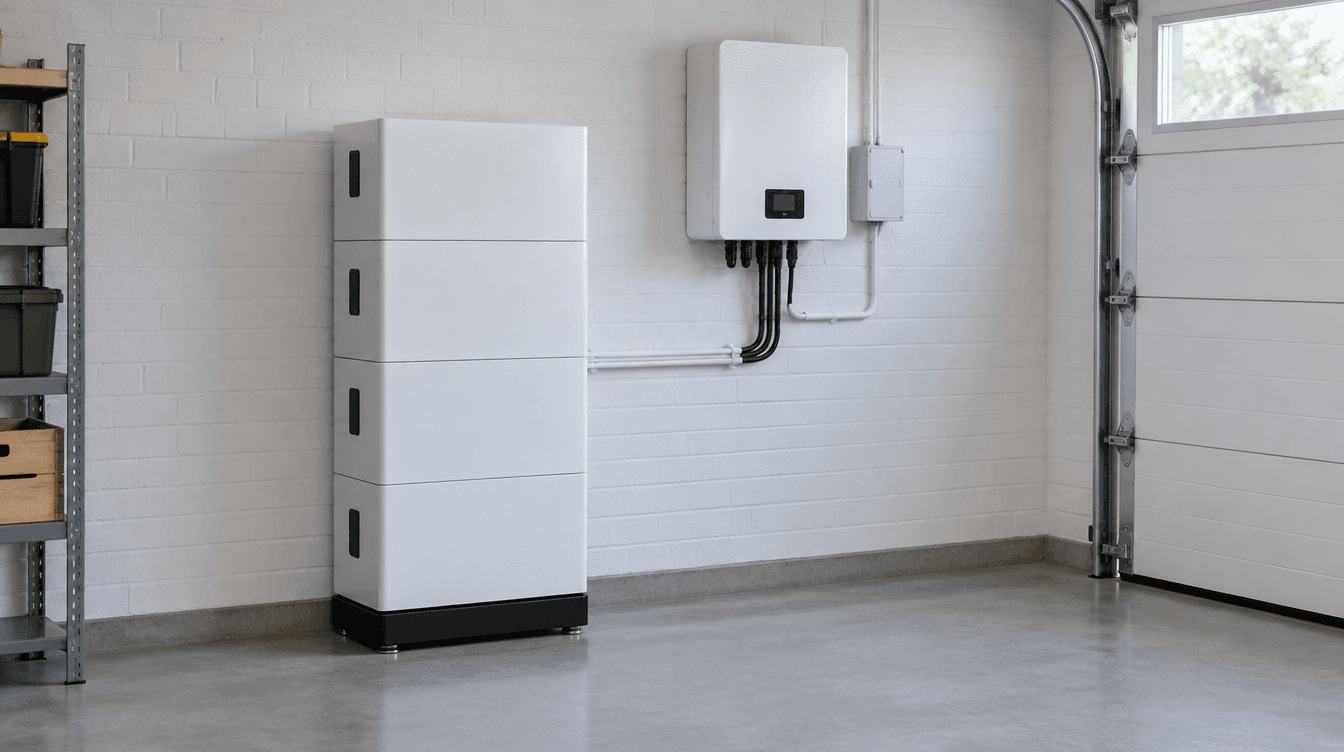
The CQ7 works differently. Instead of whole units, it uses 7.02 kWh modules stacked on a floor stand, from two modules upwards. The smallest system is therefore two modules, just over 14 kWh, and how tall the stack can go depends on the inverter it is paired with.
The CQ7 is also rated for a higher continuous current than the EP range, though in practice the inverter's own charging power usually sets the limit.
Suits: larger homes, higher electricity use, and homes with an electric car or heat pump.
Things that apply to all three
Chemistry. All three are lithium iron phosphate, the chemistry most home batteries now use.
Temperature. Like most lithium batteries, they will only charge above freezing, and without heating they keep discharging down to about minus 10 °C. FoxESS offers a heating option that extends the operating range for cold locations. If your battery will sit in an unheated garage or on an outside wall, that is worth discussing.
Siting and clearance. FoxESS's warranty requires adequate ventilation and at least 300 mm of clearance around the battery. A battery squeezed into a space that does not meet those conditions can have its warranty affected. Fire-safety best practice also rules out lofts, bedrooms and escape routes.
Inverter pairing. Each battery has to be used with a compatible FoxESS inverter, including three-phase models, and the number of CQ7 modules allowed depends on which one. Your quote should confirm the pairing.
Warranty
FoxESS's current battery warranty for the UK and Ireland covers the EP6 and EP12 for ten years from installation, with an outer limit measured from the date of manufacture, and warrants that they keep at least 70 per cent of their nominal capacity over that time, subject to a limit on the total energy put through them. The warranty is conditional on installation by an accredited installer and on the siting conditions above.
For the CQ7, we confirm the current UK warranty terms with your quote.
Which should you choose?
Small home or tight space, modest evening use: EP6, possibly two.
Typical family home, solid evening use or a cheap overnight tariff: EP12.
Large home, high use, electric car or heat pump: CQ7, sized to your data.
The honest answer is that the right one comes from your consumption, your tariff, your inverter and where the battery can physically go. Our guide to what size battery you need explains how to work that out.
Frequently asked questions
Can I mix EP6 and EP12 units?
Not in the same system. They run at different voltages. Rules on mixing different generations of FoxESS batteries vary, so we confirm them for your system.
Will a FoxESS battery work with my existing solar?
A FoxESS battery can be added to many existing systems, either with a FoxESS hybrid inverter or an AC-coupled setup. See our guide to adding a battery to existing solar panels.
Can it go outside?
All three are rated IP65. A sensible, sheltered position helps, and the heating option helps in cold spots. Outdoors, fire-safety best practice keeps batteries at least 1 metre from doors, windows, vents and escape routes.
Does it work with smart tariffs?
Tariff eligibility depends on the supplier and changes often. We check the current position for your battery before you commit.
Request a battery storage assessment. We will recommend the battery, or combination, that fits your home and your electricity use.
Latest Articles


Ready to Start Saving with Solar?
Get your free no-obligation quote today. Our experts will design the perfect system for your home.
Free Home Survey
MCS Certified
Finance Available


Quick Links
Services
Contact
© 2026 Solar Panels London. All rights reserved.