Rated 4.8 on Trustpilot
Read Reviews

·
Roofing
Removing Solar Panels for Roof Repairs
A roof under an array can be repaired or replaced. Here is what removal and refitting involves, what it means for your Feed-in Tariff and warranties, and why the roof should usually come first.
By
Solar Panels London
·
Last reviewed
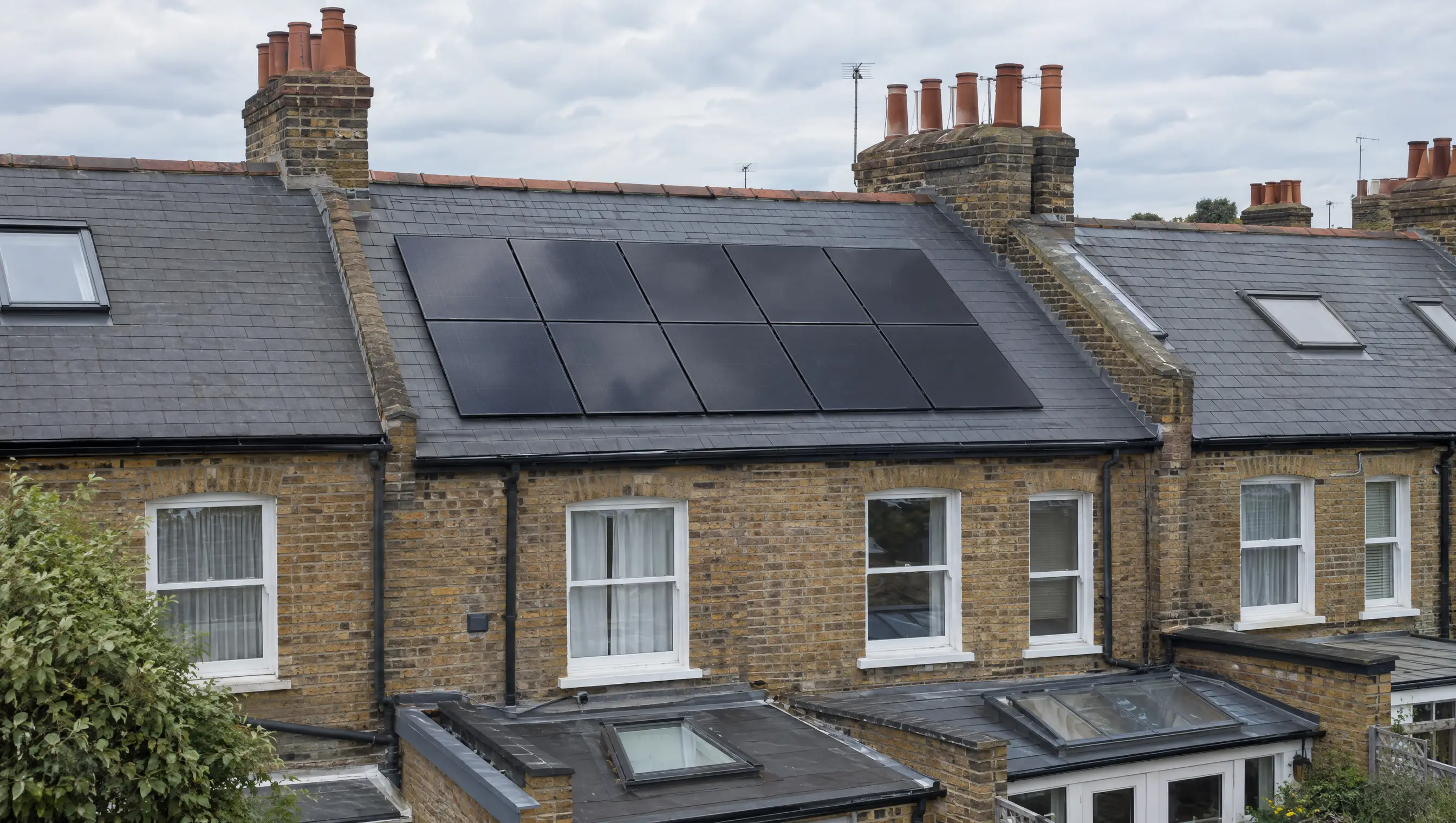
Yes, solar panels can be taken off a roof and put back on. It is routine work, the system does not have to be written off, and in most cases the panels go back onto the same roof and carry on as before.
What it is not is a simple lift-and-shift. Taking an array down is three jobs at once. It is electrical work, because a solar array cannot be switched off and stays live whenever there is daylight on it. It is roof work, because the fixings have to come out and go back in without letting water in. And it is a paperwork question, because an existing system may be attached to a Feed-in Tariff, an export arrangement, an MCS certificate and a set of warranties, each of which treats the work slightly differently.
Here is what actually happens, and what to check before anyone gets on the roof.
Key points
Panels come off and go back on the same roof routinely. Removal is not decommissioning.
Ofgem's Feed-in Tariff guidance names roof repairs specifically as an example of temporary removal that does not in itself affect an installation's compliance. It is reviewed case by case, so tell your FIT licensee.
A refit is very unlikely to produce a new MCS certificate, because MCS scheme rules require installed products to be new and unused. Your original certificate records the original commissioning.
Panel warranties vary by manufacturer. Same-site reinstatement is not universally excluded. Damage caused by handling is excluded by the manufacturer terms we have reviewed.
The array is live in daylight and cannot be switched off. Disconnection is electrical work, not roofing work.
If the roof covering has less life left than the system, deal with the roof first. The National Federation of Roofing Contractors is unambiguous about this.
Why this comes up
It usually comes up in one of four situations.
A leak develops under or near the array, and the roof cannot be repaired with the panels in the way. Tiles or slates slip and the roof needs attention across the whole plane. The roof covering reaches the end of its life while the system is only halfway through its own. Or a house is bought with solar already on a roof that a survey has flagged.
The last two are the same underlying problem, and it is worth naming it plainly. Solar panels last a long time. If a system goes onto a covering with ten years left, someone is going to be paying to take it off and put it back, and that someone is usually the homeowner.
The National Federation of Roofing Contractors published on exactly this in March 2026, listing the risks as premature roof failure and deterioration of roof coverings, water ingress and leaks beneath the panel array, restricted access for inspection and repair, costly removal and reinstatement of panels if the roof fails prematurely, and disputes between trades over responsibility. Their position is blunt:
"A roof should have sufficient remaining lifespan to justify a 20-to-30-year solar system being mounted to it. If it does not, the correct approach is simple. Address the roof first."
There is a gap in the standards that explains why this keeps happening. MCS requires the roof structure to be checked before an installation, so that it can carry the load, and requires the roof warranty provider to be consulted where the existing covering is under warranty. What it does not require is an assessment of how much life the covering has left. A roof can pass the structural check comfortably and still be five years from needing replacement.
What removal and refitting actually involves
Isolation and disconnection
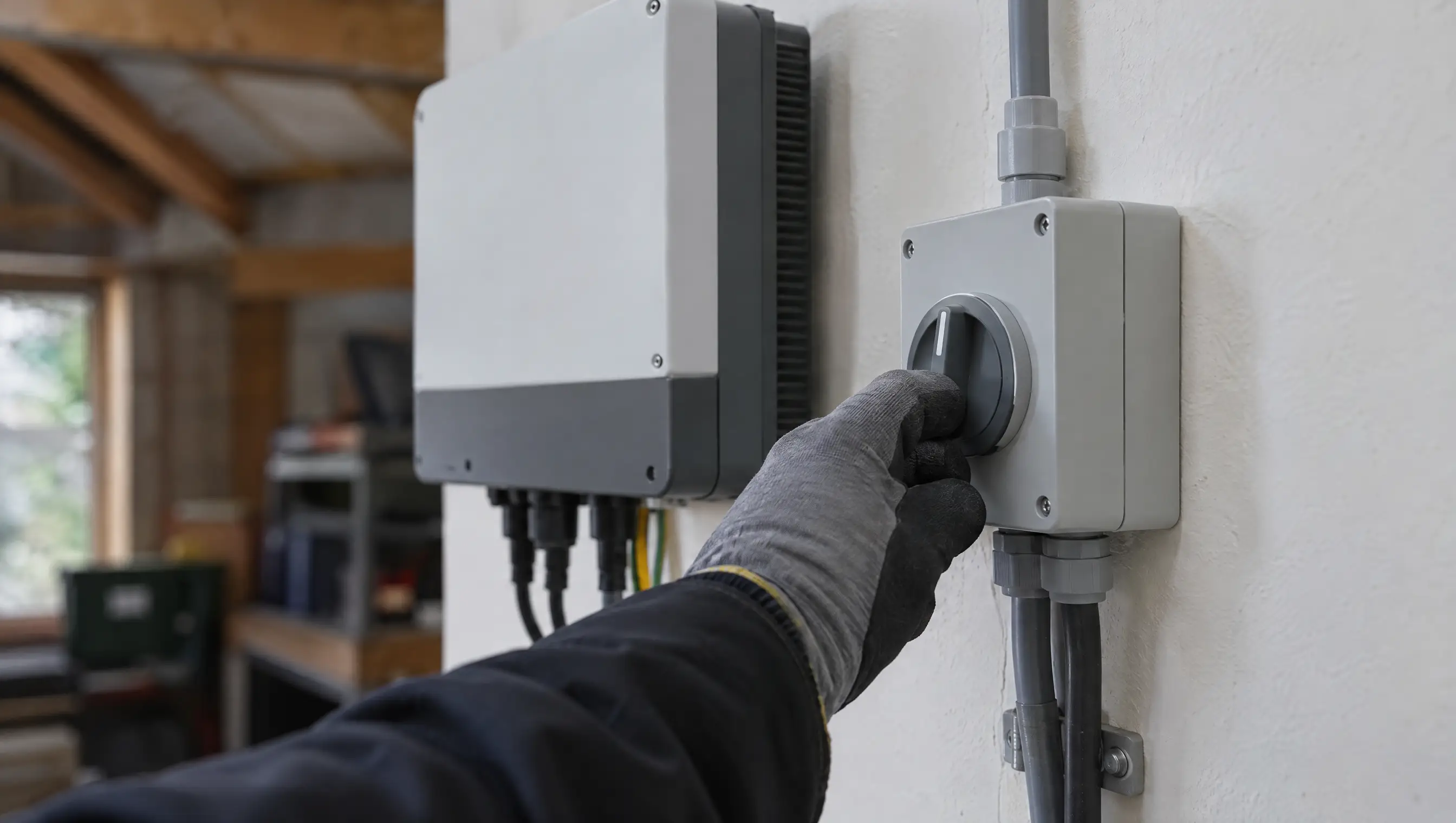
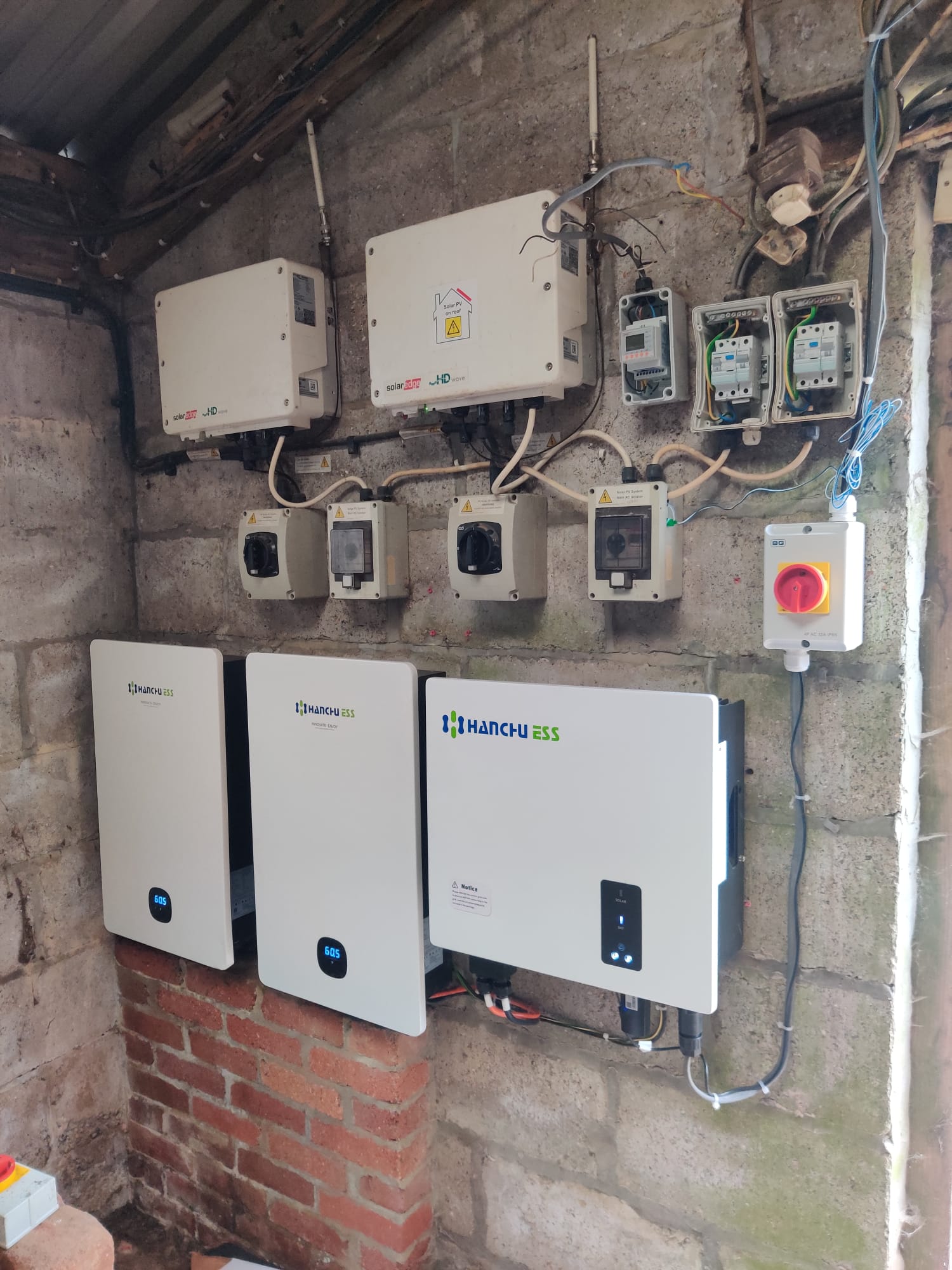
This is the part people underestimate. A solar array generates direct current whenever light falls on it. Switching off the inverter and isolating the AC supply does not make the array dead. The DC side stays live.
So the first work on site is electrical: isolating on the AC side, isolating on the DC side, proving dead with an approved voltage indicator, and locking off. It is done to BS 7671, whose Section 712 covers solar PV power supply systems, and the IET Code of Practice for Grid-connected Solar Photovoltaic Systems.
A roofing contractor cannot lawfully do this, and a solar installer is not a roofer. That split is the reason this job is awkward to organise, and it is why the NFRC has separately called for competent roofing professionals to assess roof coverings before PV installations.
Taking the array down
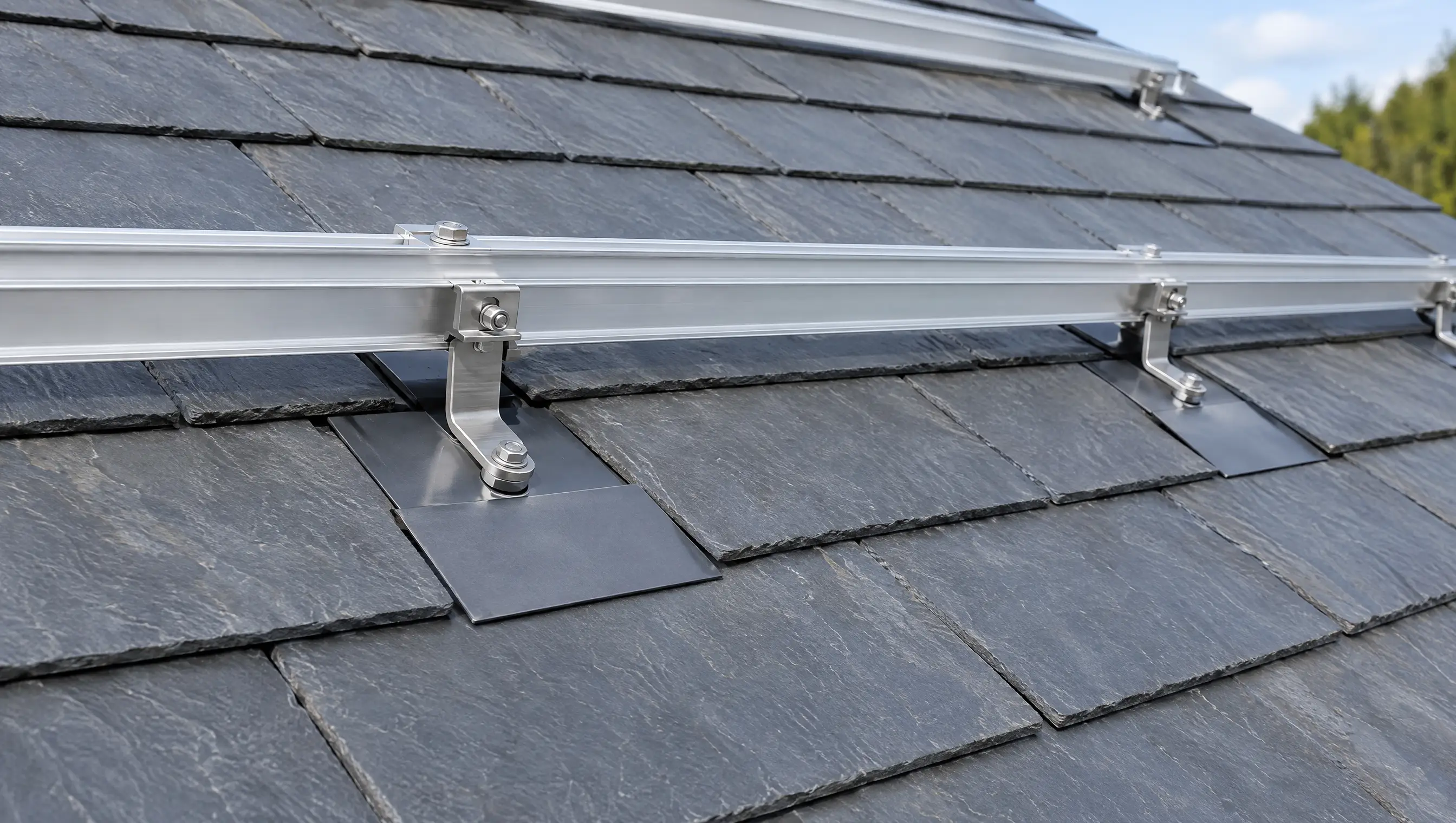
Panels come off, then rails, then the roof anchors. Each anchor has been detailed into the covering, so removing it means dealing with the slate, tile or flashing around it.
Panels also need somewhere to go. They are large, awkward and easier to damage than they look.
The roof work
With the array off, the roof is a roof, and it is repaired or replaced normally.
This is the moment to fix everything that would otherwise need the panels off again. Flashings, valleys, ridge, any felt or membrane, and any timber that has suffered where water has been getting in.
Refitting
New anchors are set, weathered and detailed into the new covering. Rails go back, panels go back, and the system is reconnected, tested and recommissioned.
Anything that was a consumable the first time around should be new. Roof anchors, seals and fixings are not components to reuse on a hopeful basis, and any that go back should be chosen for the new covering rather than the old one.
What happens to your Feed-in Tariff
For anyone with a FIT-era system, this is the real question, and the answer is better than most people fear.
Ofgem's guidance for FIT generators addresses it directly, and it names roof repairs as the example:
"The replacement or temporary removal of generating equipment (for example, during roof repairs) does not in itself affect the compliance of an installation."
And separately:
"You may be able to temporarily remove an accredited installation from site without affecting its compliance (for example, during roof repairs), but this would be reviewed on a case-by-case basis."
Three things follow from that.
Temporary removal is not decommissioning. Accreditation ends when all of the generating plant is permanently removed. Taking an array off for roof work and putting it back is not that.
It is reviewed case by case, so tell your FIT licensee. There is no blanket guarantee in the guidance, and the sensible course is to let your licensee know before the work rather than after. We would treat that as a standard part of the job.
Watch the capacity. You must contact your FIT licensee if the Total Installed Capacity of the accredited installation changes. A straight like-for-like refit does not change it. But if panels are damaged and not reinstated, capacity falls and notification becomes mandatory. Where capacity is reduced but stays above zero, Ofgem's guidance is that the accreditation continues and the eligibility date, tariff rate and eligibility period are unaffected.
One trap in the other direction. If you take the opportunity to add panels, any extension to an accredited FIT installation commissioned on or after 15 January 2016 is not eligible for FIT support. The original array keeps its tariff; the new capacity earns nothing under FIT. That is not a reason to avoid adding panels, but it should be a decision made with the facts rather than a surprise afterwards.
And one that catches people moving house: FIT accreditation is tied to a specific site. Panels taken to a new property are no longer eligible.
Replacing a failed inverter at the same time. Ofgem's guidance allows repair or replacement of all or some generating equipment without affecting compliance, provided the installation continues to meet the scheme rules, and for solar PV the generating equipment means the panels and inverters. If your inverter is near the end of its life, doing it while the system is already down and the scaffold is already up is usually the sensible call.
What happens to your MCS certificate
Here the honest answer is narrower than you might want, and we would rather say so than guess.
MCS scheme rules require that "all installed products and materials must be new and unused". Panels that have come off your roof and gone back on are, by definition, previously used. So it is very unlikely that a refit could be registered as a new MCS installation, and you should not expect a new MCS certificate from it.
What about the certificate you already have? MCS publishes no guidance on the status of an existing certificate after a system is removed and refitted. We have checked every current version of the solar PV installation standard, and none of them address removal, refitting or re-commissioning. The standards are written for new installations. MCS does operate an adoption route that lets a certified installer take on an existing partially complete or complete installation, but that is a different situation from a refit and does not answer this question either.
Our reading is that your original certificate records the original commissioning of the original installation and is not withdrawn by later maintenance. But MCS does not say that in public, so we are not going to present it as a fact. If your certificate matters to you for a specific reason, for example because an export tariff application depends on it, tell us and we will get it confirmed before the work rather than after.
What happens to your export tariff
If you are on the Smart Export Guarantee, the governing document is your contract with your supplier, not Ofgem's rules.
Ofgem's SEG guidance sets the scheme framework and confirms that suppliers determine the rate, contract length and other terms. It does not address removing or replacing equipment on an existing SEG installation at all. Your MCS certificate was the eligibility evidence when you signed up and is not reissued.
Practically: check your supplier's SEG terms before the work. Most people never have cause to read them, and this is the occasion.
What about the DNO?
Your Distribution Network Operator was notified when the system was first connected, either under G98 after commissioning or under G99 with permission obtained beforehand.
For a straight like-for-like refit with the same inverter and no change in capacity, the published engineering recommendations do not address the situation. They deal with modification, not with taking a system down and putting the same equipment back. Nothing in them appears to require a notification on those facts, but nor do they say so affirmatively, and we would rather tell you the guidance is silent than invent a rule.
Where it clearly does bite:
If the inverter is replaced with a different model. Replacing a significant piece of equipment such as an inverter can make an installation a substantial modification. For an older system connected under the previous standard, that brings it into scope of the current one.
If capacity increases above 16 amps per phase. A new G99 application is required.
Your DNO can ask for compliance tests after any equipment failure, modification or replacement that may affect compliance.
If anything about the system changes, we handle the notification. If nothing changes, we will ask the DNO rather than assume.
Warranties
There is no single industry rule here. What we can tell you is the pattern in the terms we have read, and what to check in yours.
Panel warranties are manufacturer-specific, and the differences matter. Some manufacturers exclude modules that have been removed and reinstalled at a location other than where they were originally installed — which does not catch a refit onto the same roof. Others are silent on relocation but exclude damage caused by improper handling. The terms we have reviewed exclude installation or maintenance that does not follow the manufacturer's installation manual.
It is also worth knowing that manufacturers generally do not pay for removal and reinstallation even on a valid claim. One major manufacturer's terms put the costs of dismantling, repacking, installation and reinstallation on the customer explicitly. If a panel fails under warranty, you typically get a panel, not a scaffold.
Inverter warranties commonly require installation by an approved installer for that brand and registration or commissioning within a set window, sometimes with health checks at intervals. The published terms we have reviewed do not address removal and refitting, so this is brand by brand.
Mounting systems. Roof hooks, seals and single-use fixings are consumables. Whether a specific component can be reused is a manufacturer question, and our default is to fit new.
Your workmanship warranty and any insurance-backed guarantee. Neither RECC nor TrustMark publishes a position on what happens when a different company works on an existing installation. RECC requires members to offer deposit protection and workmanship warranty insurance but directs consumers to the individual insurance provider for terms, and cover periods across the listed providers vary considerably, with most requiring defects to be reported within thirty days of discovery. The answer to your situation is in your own policy wording.
The practical version: find your paperwork before the work starts. Panel warranty, inverter warranty, and your installer's workmanship warranty and insurance-backed guarantee. We will tell you what we read in them.
What can go wrong
Connector mismatch
Every panel connects with DC connectors, usually MC4-type. A refit means re-mating every one of them, and replacing any that are damaged.
The requirement in the international standards behind BS 7671 is that male and female connectors mated together are of the same type from the same manufacturer. Connectors that look identical and click together satisfyingly are frequently not compatible, and a cross-mated pair can develop higher contact resistance, then heat.
This is not theoretical. Regulators have issued safety alerts after fires in PV systems caused by mismatched DC connectors failing, and connector manufacturers warn that there is no compatibility certification for a cross-connection. It is one of the clearest examples of a fault that is invisible on a visual inspection and entirely preventable by using the right parts.
Water ingress at the fixings
Every anchor is a hole in a weatherproof layer, and refitting means making all of them again.
The NHBC's guidance on installing renewable energy systems on roofs is direct about the detailing: penetrations should be sealed using appropriate standard or custom-made flashings or kits, and "sealants or mastic alone should not be used", or relied on to provide a weathertight seal. Where tiles are notched to take hooks, the gaps around the hook should be no larger than those naturally occurring between the roof tiles. Cable penetrations need purpose-made tiles or flashings for the same reason.
If someone proposes to bed your refitted anchors in mastic, that is the moment to stop.
Damage you cannot see
Solar cells crack. Mechanical stress, including handling, is a known cause, and the cracks are typically invisible to the naked eye. They are found with electroluminescence imaging, not by looking.
The honest consequence is this: careless handling during a removal and refit can cost you output that does not show up on the day, only later in the generation data. We are not going to give you a percentage, because no credible source publishes one. What we will say is that this is a good reason to have the work done by people experienced in handling panels, and for reading the monitoring data afterwards rather than assuming.
Doing it once instead of twice
If the array is coming off anyway, the scaffold is up and the system is already isolated. That is the sensible point to add anything else that needs doing.
Worth considering while you are there:
Replacing an inverter that is near the end of its life, rather than paying for access again in three years
Bird or pigeon proofing, which is far easier with the array off
Dealing with flashings, valleys and any timber that has suffered
A full system test and recommissioning, with the generation data checked afterwards against what the system did before
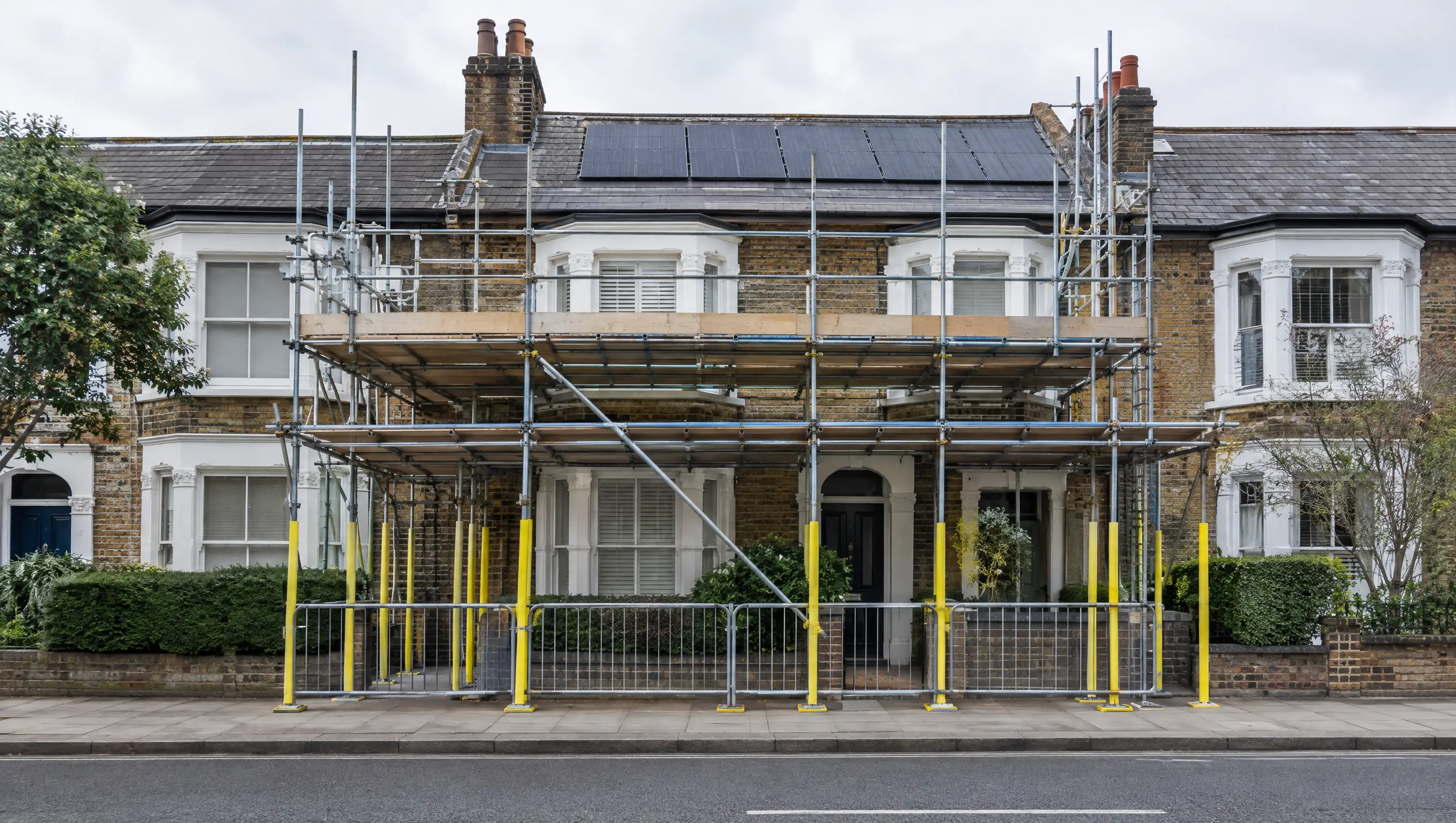
One scaffold, two trades, one programme. The requirements are that the scaffold suits the work both trades need to do, that it is inspected before first use and at least every seven days, and that it is re-inspected after any substantial alteration.
On a London terrace the scaffold usually stands on the pavement or the road, which needs a licence from the borough before it goes up, and often a parking bay suspension, which some boroughs say can take up to ten working days to arrange. Doing both jobs under one scaffold means that paperwork is done once, not twice.
Who should do this work
The awkwardness of this job is that it needs two different trades. The roofer cannot disconnect the array. The solar installer is not going to re-slate your roof. Left to the homeowner to coordinate, it produces exactly the disputes over responsibility that the NFRC warns about.
Solar Panels London handles both sides of it, with the roofing delivered under our contract, so there is one company responsible for the system coming off, the roof being put right, and the system going back on and working. If something is not right afterwards, there is no argument about whose job it was.
Frequently asked questions
Will taking my panels off stop my Feed-in Tariff payments?
Not in itself. Ofgem's guidance specifically names roof repairs as an example of temporary removal that does not affect an installation's compliance. It is reviewed case by case, so your FIT licensee should be told before the work. If the number of panels changes, you must notify them.
Do I get a new MCS certificate afterwards?
Almost certainly not. MCS scheme rules require installed products and materials to be new and unused, so your own previously installed panels would not qualify for registration as a new installation. MCS does not publish a position on refits specifically.
Can the roofer just take them off?
No. The array is live in daylight and cannot be switched off. Disconnection and reconnection is electrical work.
Can the same panels go back on?
In most cases, yes. Panels that are damaged, or that were already failing, are worth identifying before the refit rather than after.
Should I replace the roof before installing solar in the first place?
If the covering has less remaining life than the system, yes. The NFRC's test is whether the roof has enough life left to justify a twenty to thirty year system on top of it. We cover this in do you need a new roof before solar.
Can I add panels or a battery while the system is down?
You can, and it is often the sensible moment. Be aware that capacity added to a FIT installation does not earn FIT, and that changing capacity may require notification to your FIT licensee and your DNO.
How long does it take?
It depends entirely on the roof work, not the solar work. Taking an array off and refitting it is the smaller part of the programme on most jobs.
In short
A roof under solar panels can be repaired or replaced. The panels come off, the roof is put right, the panels go back. Your FIT is very unlikely to be affected, though your licensee should be told. Your MCS certificate is not reissued. Your warranties need reading before the work rather than after.
The thing most worth acting on is the sequencing. If your roof is tired and you are thinking about solar, do the roof first. If your roof is tired and you already have solar, doing it now is cheaper than doing it after a leak has been running behind the array for a winter.
Book a roof and system inspection. We will look at the roof covering, the array, and the paperwork, and tell you whether it needs doing now or can wait.
Latest Articles






Ready to Start Saving with Solar?
Get your free no-obligation quote today. Our experts will design the perfect system for your home.
Free Home Survey
MCS Certified
Finance Available


Quick Links
Services
Contact
© 2026 Solar Panels London. All rights reserved.